

How To Clean 3d Printer Fans Cooling
In this commodity nosotros volition take a expect at 3D Printer Maintenance for optimal 3D press results. Maintaining your 3D printer is important to prevent mishaps and failed prints. 3D printers consist of moving parts and parts which undergo routine thermal cycling, and are also subject to vibrations. Equally a result, a number of parts tend to wear with use. Regularly checking the state of your 3D printer's parts such equally the nozzle, bearings, rods, lead-screws and the build-plate can potentially salvage you a lot of time and headaches!
3D Printer Maintenance: Which parts are subjected to wear and tear?
Nozzle and hot-end
The nozzle and hot-end are an integral part of your 3D printer set-up and their state will have a straight and noticeable touch, non just on the visual advent of your impress only also on its integrity.
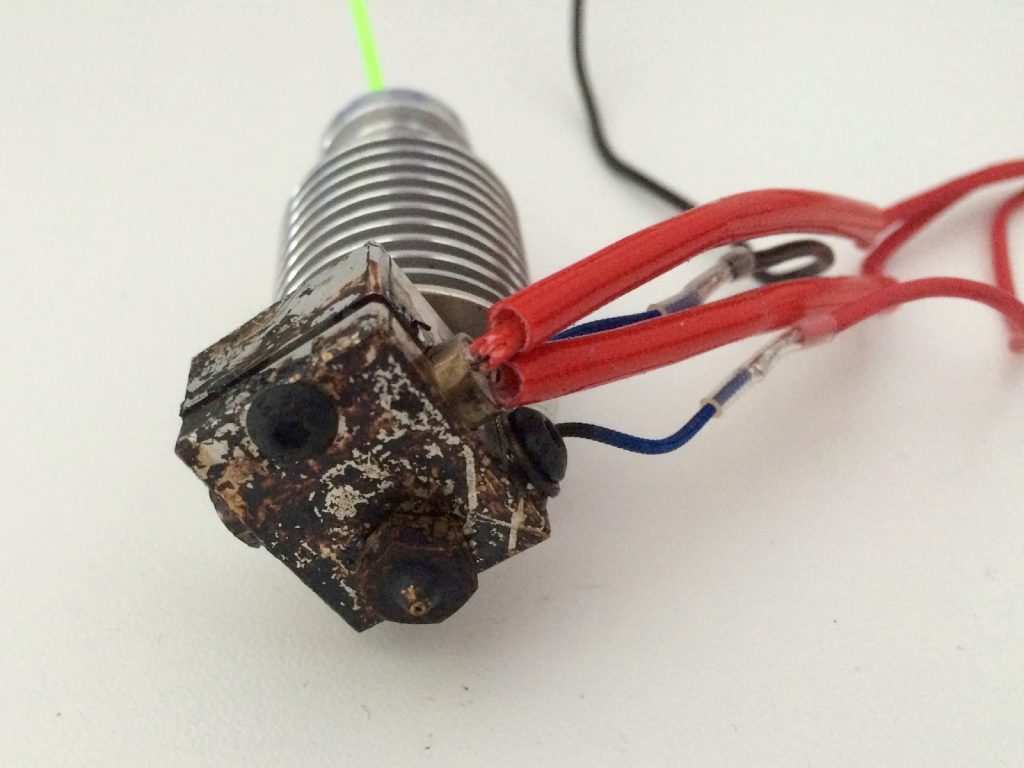
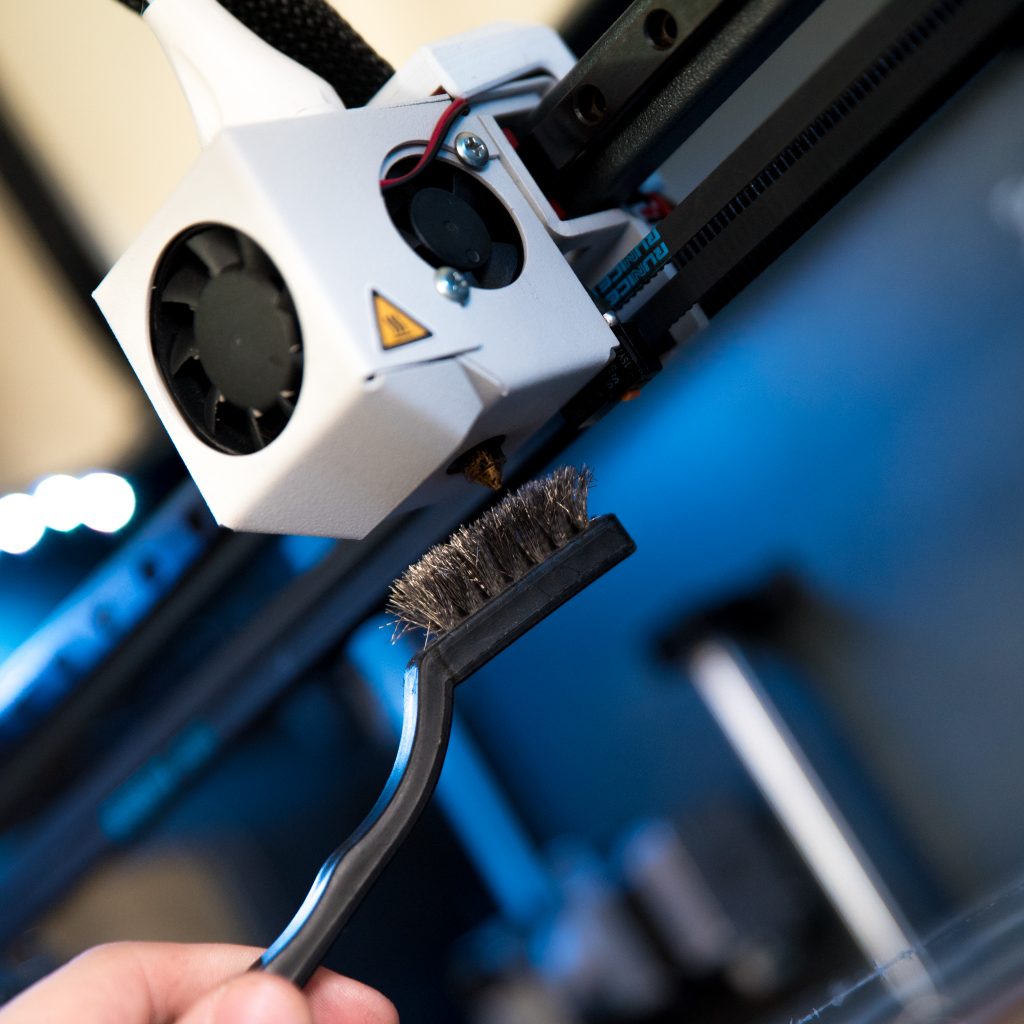
In general it is ever appropriate to keep the hot end clean and to remove any material from the hot end as presently as possible to prevent build-up of burnt plastic. It is besides brash to purge the nozzle earlier each print and to check if the filament is being extruded correctly. Some other tip is to not leave loaded hot ends idling at printing temperatures to prevent filament from deteriorating in the nozzle.
The hot-end is made of several parts which have a different role in ensuring reliable 3D printing:
Nozzle
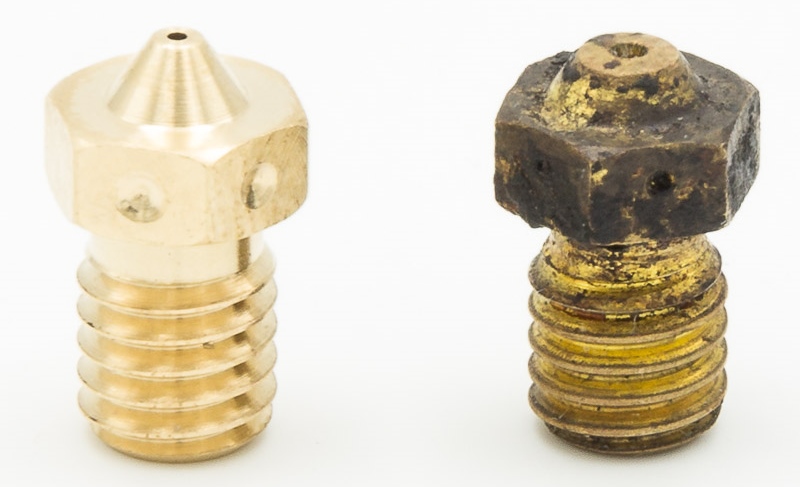
Apart from regular cleaning, there are several other ways to ensure that your nozzle is in superlative condition. As filament is being pushed out of the nozzle, information technology wears out the nozzle opening causing its bore to increase whilst also changing the shape of the orifice. When sufficiently worn out, ane tin start noticing printing artefacts such equally stringing, under extrusion and loss in particular since the nozzle diameter is effectively wider. In extreme cases a worn nozzle might as well bear on the layer adhesion of a print.
The rate of habiliment volition depend on the blazon of material and also on the type of nozzle used. Blended materials tend to habiliment out nozzles more quickly due to the filler material present. For this reason hardened steel nozzles and red nozzles exist which are much more resistant to wear.
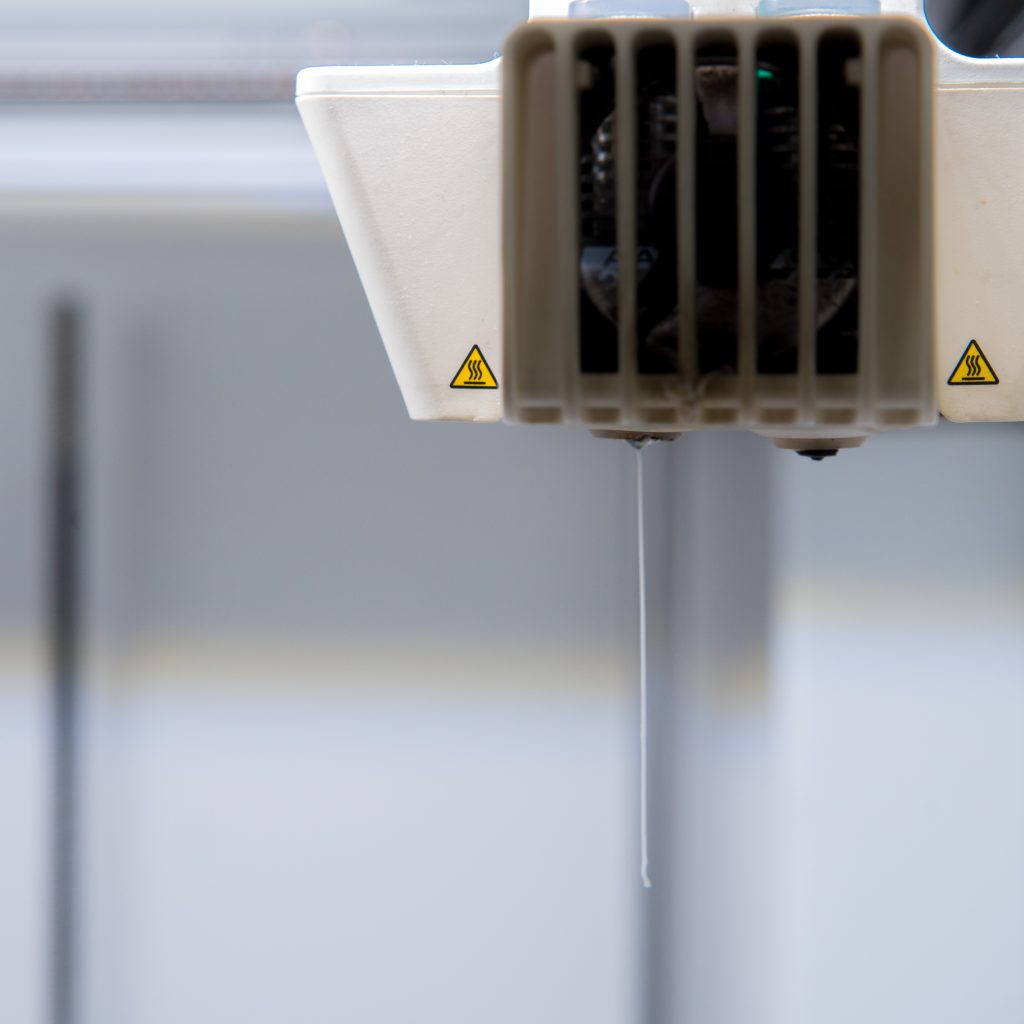
Nozzles might also exist susceptible to clogs and partial clogs. While its quite hard to miss a fully clogged nozzle, a fractional clog might not exist immediately noticeable. Information technology can also worsen during the course of a impress to cause a full clog. Withal a partially clogged nozzle volition crusade filament to be nether-extruded and will thus touch on the quality and integrity of your 3D print. A partial clog might also crusade more stress on the extrusion system since the filament needs to exist pushed in with more than force.
One style to cheque for the integrity of your nozzle is to purge the nozzle and check the extruded filament. Filament extruded from a pristine nozzle will exist extruded with a consistent catamenia and even shape and should not scroll up towards the nozzle. If the filament is extruded inconsistently or curls up towards the nozzle this is normally an indication of a partial clog. In this case the nozzle needs to be cleaned with a hot or cold pull, or replaced with a new ane.
Heat block and estrus suspension
While the heat block is not susceptible to any item amount of wearable it is appropriate to check if the cartridge heater and thermistor are in their correct position. The securing screws for the aforementioned components and the heat block itself might loosen over fourth dimension and so its worth checking them when doing a full maintenance procedure on your printer.
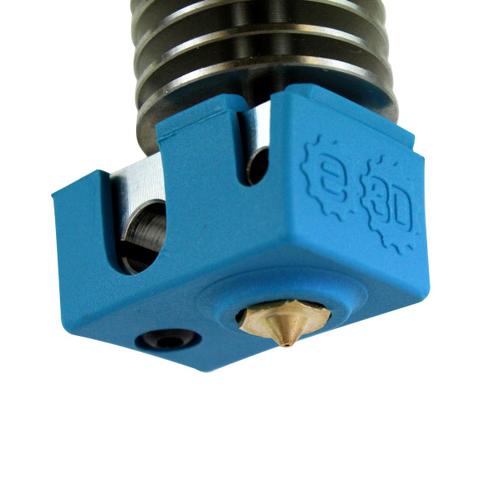
You should also keep the heating cake and nozzle as clean every bit possible to prevent a build-up of plastic which can grab onto you print while press. This tin can impairment your print or printer. Some printers use a silicon cover over the heat block and the nozzle to forestall material build-upwards. This comprehend should be replaced when worn out.
Cooling system
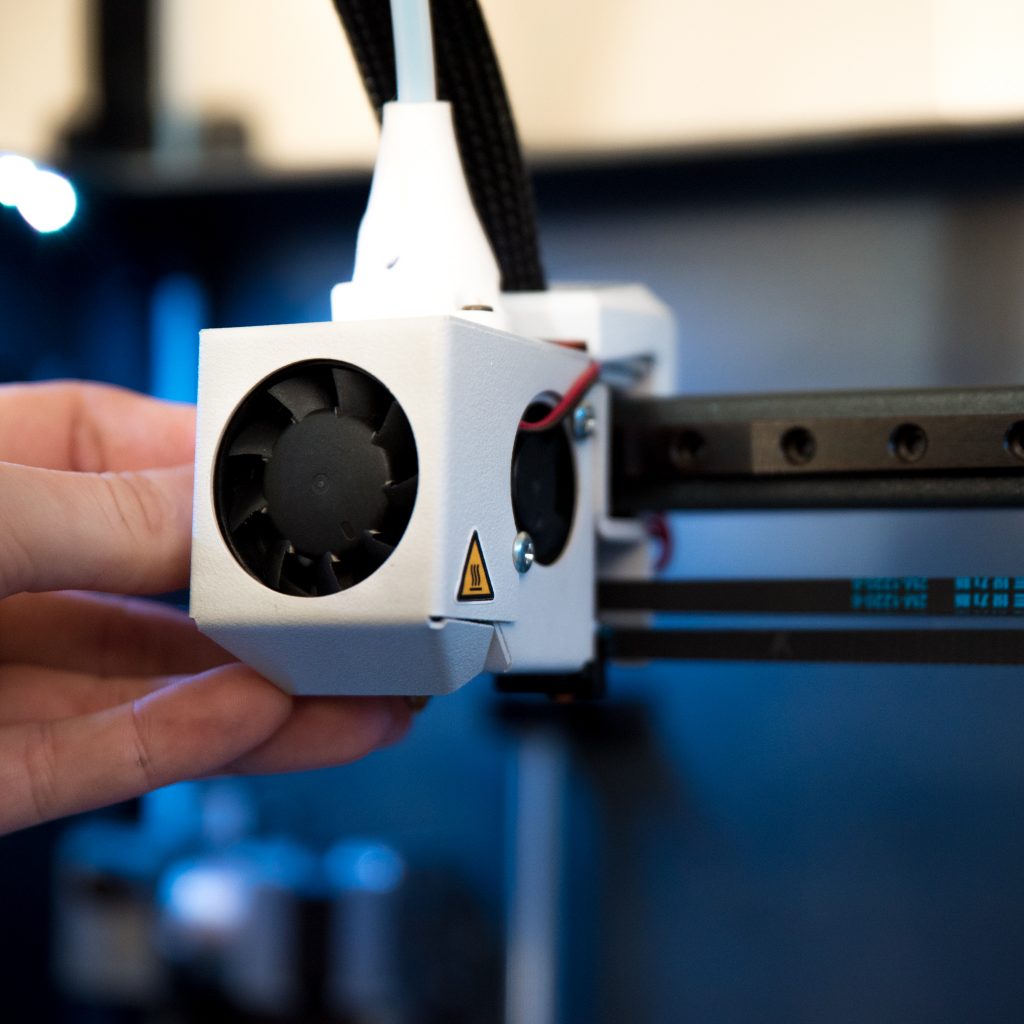
The cold part of the hot end should be kept equally cool every bit possible to forbid the filament from softening prematurely. This tin cause the filament to burl and clog the hot terminate, peculiarly during retractions. For this reason it is appropriate to ensure that the cooling fan is clean and free from plastic debris and strings which might jam it up.
PTFE tube
The PTFE tube ensures that the filament reaches the hot-end with the least resistance possible, in Bowden systems but also in direct drive systems. This tube tends to wear out as filament is passing through it. Furthermore droppings can also build up in the tube. Information technology is thus recommended to change PTFE tubing at least once every twelvemonth with normal use.
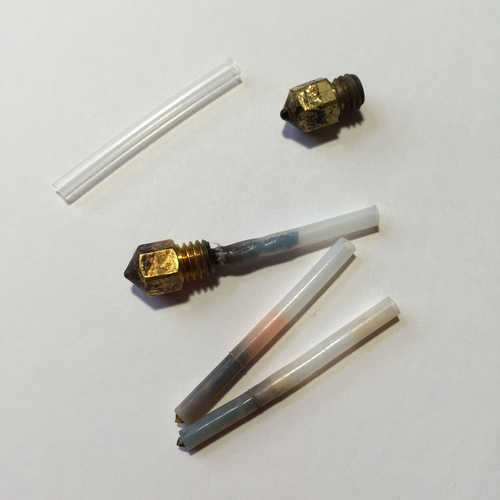
Furthermore in systems which practise not use an all metal hot stop, the tip of the PTFE tube at the hot-end will degrade due to the loftier temperature at the hot end. This is especially true when press at temperatures in a higher place 230 °C. This will also lead to filament jams in the hot end and thus warrants regular inspection. This is true only in the case of systems not using all metal hot ends.
Extrusion organisation
Your extruder motor and is another important component in your 3D printing system which should also be regularly checked. As filament is passing through this system the gear inevitably wears away some of the filament. This results in a build-up of filament debris within the extruder gears. The gears should thus be cleaned during routine maintenance to remove the filament material from the betwixt the gears' teeth to prevent filament from slipping.
The extruder gears will likewise somewhen article of clothing downwardly with use which causes the extruder to lose grip. Using abrasive filaments such equally glass and carbon fiber filled materials will wear the extruder gears down more than speedily.
Motion systems
The motion systems are another integral part of your 3D printer which crave routine maintained. Fortunately these system rarely need replacing and only need to be checked on routine maintenance. This includes:
- Checking the tension on belts
- Check for wear on belts and pulleys
- Checking for play on axles, pulleys and lead screws
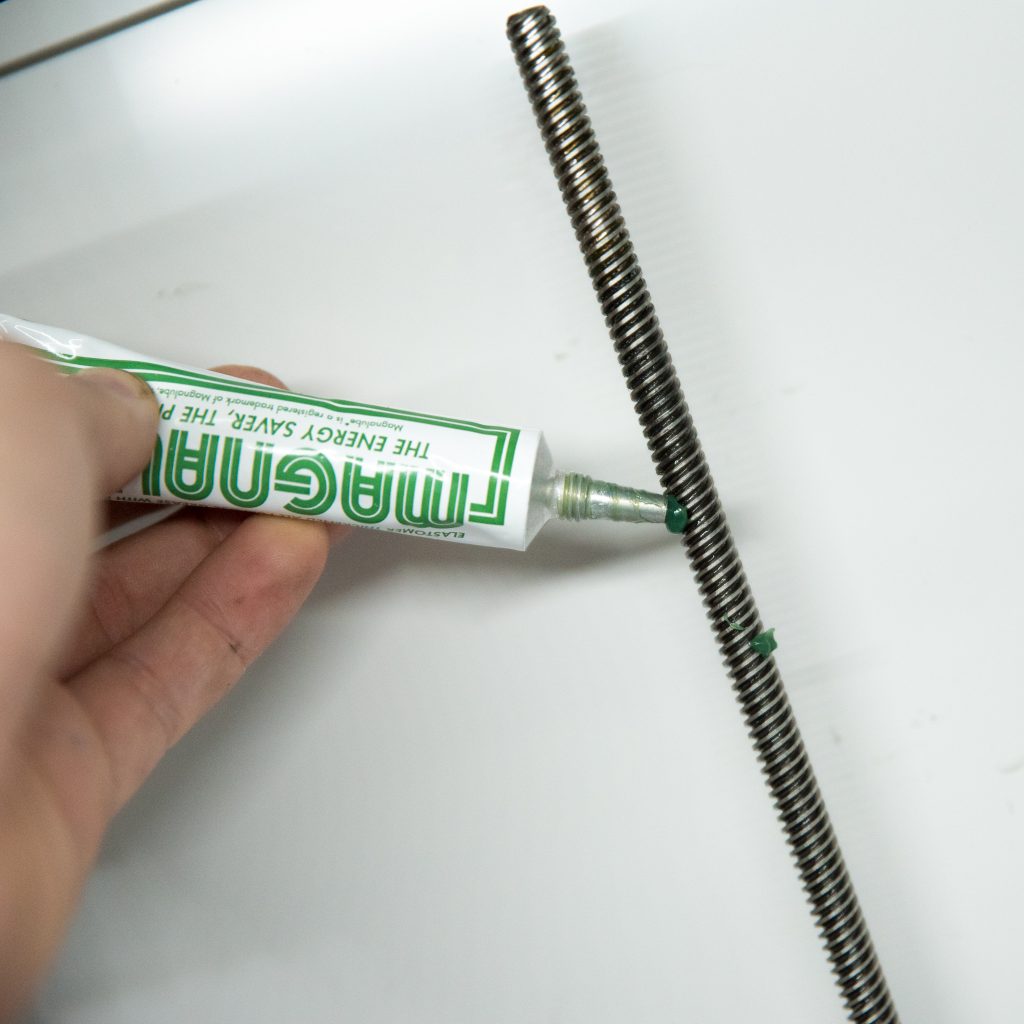
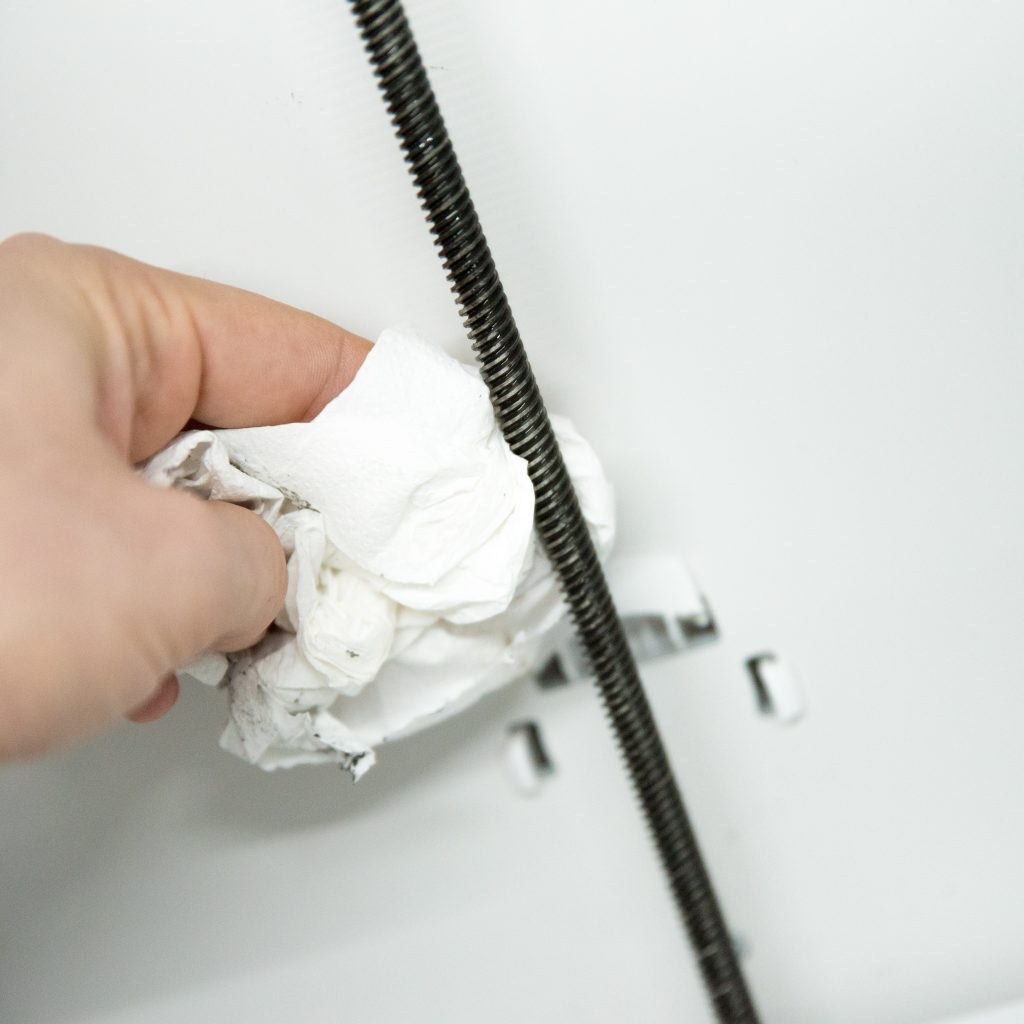
- Cleaning rails and lead screws
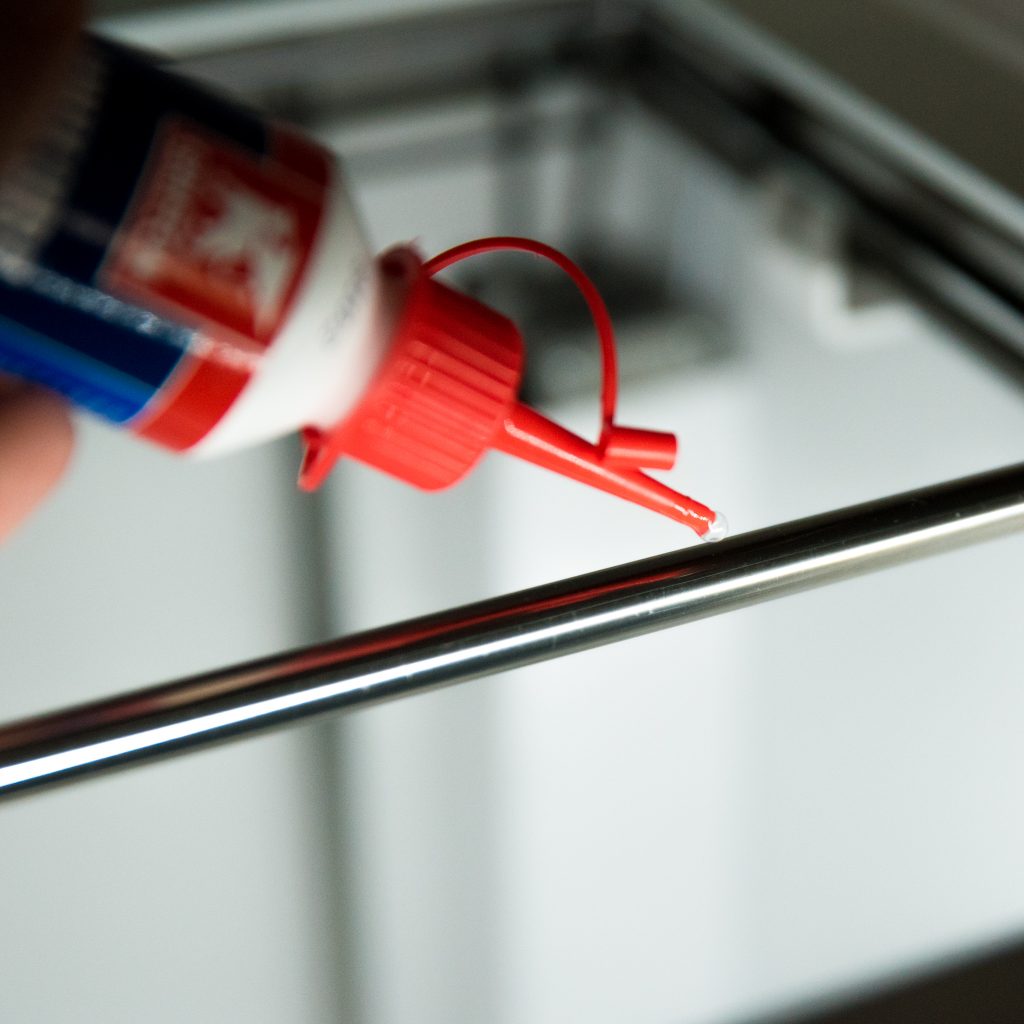
- Lubricating rails and lead screws with the manufacturer recommended lubricants/grease
- Checking on the state of finish-stop switches
Build-plate
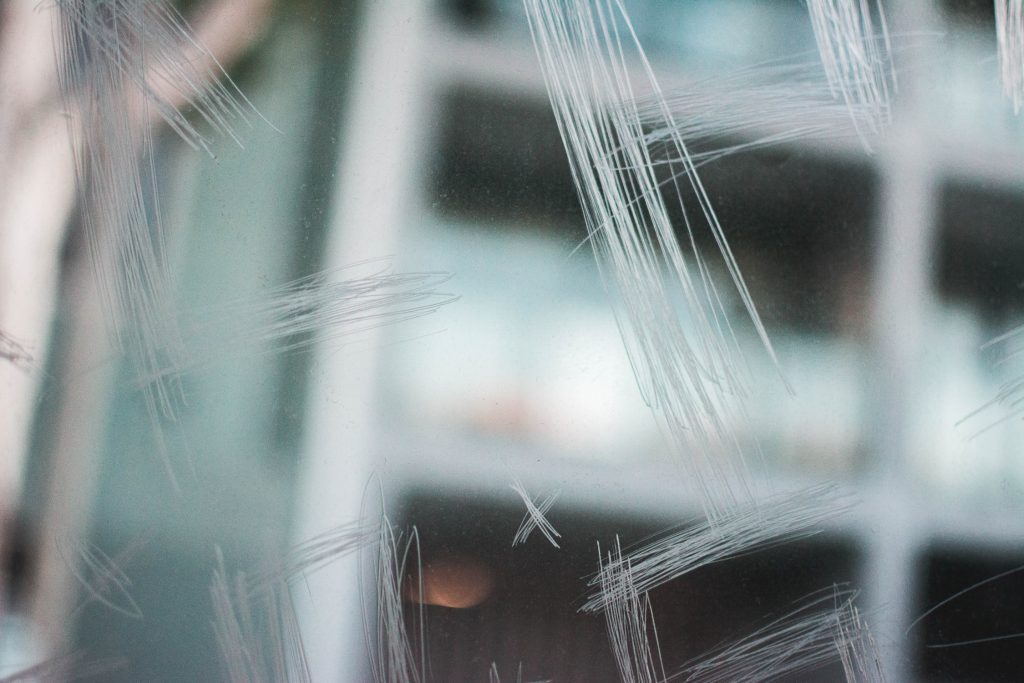
Another part of the printer which experiences clothing is your build-plate, specifically the printing surface. With every print, the surface of your build-plate will deteriorate. Every heating and cooling bike and part removed volition introduce farther defects and exacerbate existing ones. This is inevitable and some materials will wear the surface more than quickly.
The wear on build surfaces tin also be worsened when using sharp tipped tools to remove parts. These might introduce scratches to the surface of the build-plate which tin act as points of stress concentration and eventually leading to more serious impairment.
3D Printer Maintenance: How frequently do I need to bank check my printer?
In that location is no hard and fast dominion to this question. Some parts need to be checked before every print while others can be checked at prepare intervals depending on the utilise frequency. These are general guidelines, always check the manufacturer recommended maintenance intervals!
Before every impress
A quick system cheque and a light make clean before each print.
- Make clean the build plate and apply a fresh layer of agglutinative
- Inspect the build-plate for any damage
- Make clean the nozzle and hot stop
- Purge the nozzle and bank check filament flow
- Remove any loose debris from inside the printer
- In manual levelling printers, check the levelling of your build-plate earlier the print starts.
Every month
- Bank check the state of the hot-finish silicon cover
- Check for play on guide rods, axles and pulleys
- Bank check if your guide rods (axles) are properly lubricated, make clean and lubricate if necessary
- Clean hot-terminate fan
- Give the printer a good clean
- Remove the build-plate from the printer and clean it well with hot h2o and lather. If using a PEI sheet, scrub it downward with a fine grit sand newspaper to 're-fresh' the surface.
Every three months
- Check the state of the extruder gears and clean if necessary
- Replace the grease on the pb screw
- Bank check the tension of timing belts and retighten caster and hot-cease fixtures if necessary
- Check the state of end-stop switches
- Check hot end isolator or PTFE tube in non-all metal hot ends.
- Perform a nozzle clean procedure – common cold pull
Every yr
- Perform a build-plate temperature calibration
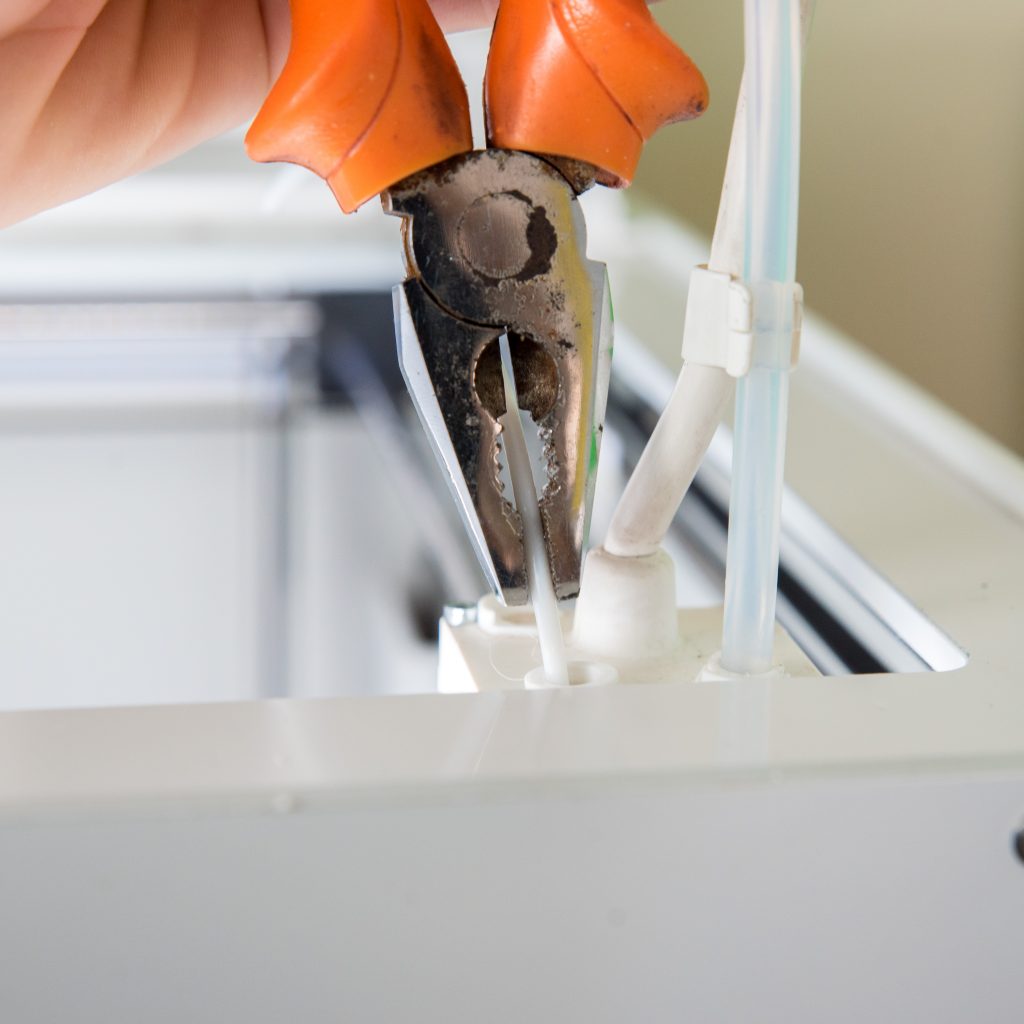
- Supersede Bowden tubes
We hope that you lot found our commodity on 3D Printer Maintenance useful! Bank check out our FAQ articles (part 1, part 2) for more helpful 3D press tips. For more information about Magigoo products and how to use them more than finer, delight find a downloadable Magigoo Transmission.

Source: https://magigoo.com/blog/3d-printer-maintenance-taking-a-look-at-you-printer-components/
Posted by: maldonadosoused.blogspot.com
0 Response to "How To Clean 3d Printer Fans Cooling"
Post a Comment